
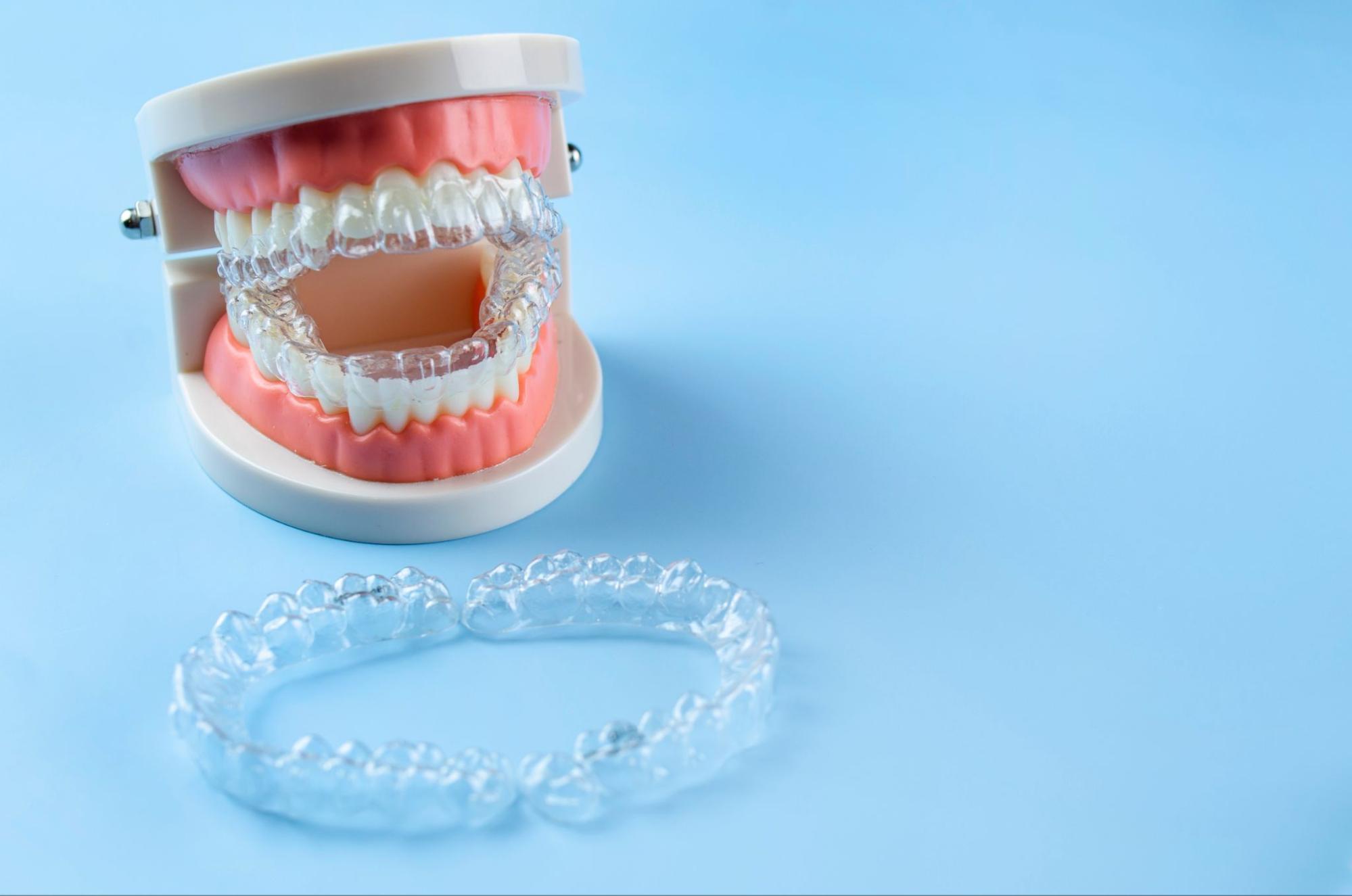
Invisalign works when the plan is precise, and the materials do real biomechanical work. Dr. Kovacstakes a clean 3D scan, strategizes tooth-by-tooth movements, then uses tooth-colored attachments so each tray applies force where it counts.
Trays only move what is planned to move, a fraction of a millimeter at a time, while bone remodels. Your job is steady wear while life runs along Main Street or under the Rimrocks. Results at Kovacs Orthodonticscome from accurate records, a staged plan, smart leverage, and consistent hours.
Why Invisalign Is More Than “Plastic Trays”
Clear alignerslook simple. The science behind them is not. Invisalign uses a blend of 3D imaging, carefully staged tooth movements, and a flexible material called SmartTrack. That material grips teeth, seats fully, and springs back in a controlled way. The trays do not push every tooth at once. They move teeth in planned sequences, a fraction of a millimeter at a time, while your bite steadily adapts.
Step 1: Accurate Records Start The Whole Plan
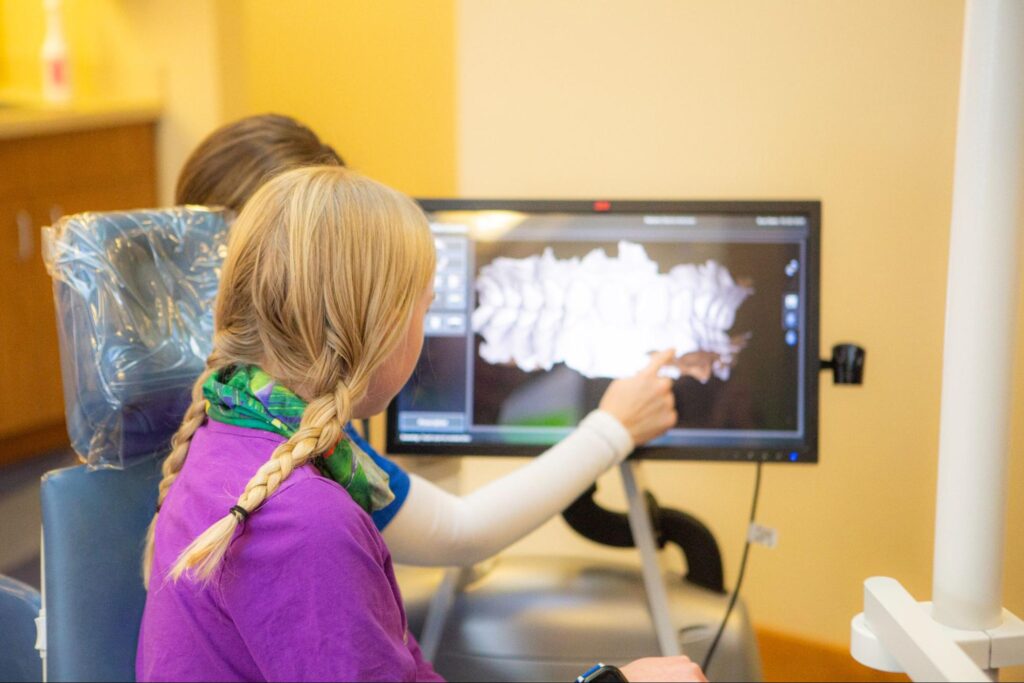
Your results ride on records that are both precise and complete. Records include a digital scan of your teeth at Kovacs Orthodontics, diagnostic photos, and X-rays. The digital scan replaces goopy impressions and creates a high-resolution 3D model. That model captures rotation, crowding, and bite relationships that matter later when trays need to fit perfectly around attachments.
A helpful tip is to schedule scans when you can arrive with your teeth clean and dry. If you are coming from a game at MetraParkor a float on the Yellowstone, bring a toothbrush. Dry enamel helps the scanner read faster and with fewer rescans.
Step 2: The Treatment Plan You Can See
After the records, Dr. Kovacscreates your bite from front to back. The plan shows where each tooth will go and in what order. This is the ClinCheck stage for Invisalign cases, where expertise really counts. The software can suggest movements, yet the orthodontist decides what is biologically reasonable, how to time it, and when to pause one area while another catches up.
You will see a time-lapse style preview. That preview looks slick, though it is not a movie to watch. It is a blueprint to build with. Dr. Kovacs will explain which movements are straightforward and which require added help from attachments, elastics, or slenderizing tight contacts.
Step 3: Smart Attachments Do The Heavy Lifting
Attachments are small, tooth-colored shapes bonded to select teeth. They are not cosmetic. Each shape gives the aligner a handle so it can rotate, tip, or pull a tooth in a direction the plastic alone cannot. Without them, many crowding and rotation problems would stall.
Expect some attachments on premolars and canines, sometimes on incisors. Placement looks minimal in person. Friends in the Heights neighborhood may not notice them across a table at Montana Brewing Company. Clean around them like you clean around bracesbrackets, focusing your brush at different angles.
Step 4: Interproximal Reduction, When Tight Spaces Need Space
Crowded teeth often lack room to line up. Interproximal reduction, or IPR, creates a tiny amount of space by polishing between teeth. It is quick and controlled. Think of it as making room for traffic on a two-lane road so cars can pass without bumping mirrors. The amount is measured in tenths of a millimeter and recorded in your plan. Creating this space at the right time allows your next trays to seat and track.
Step 5: Wear Time That Actually Works
Most adult cases call for 22 hours of daily wear. That means trays in during work, workouts, and around town. Take them out for meals and drinks other than water. Pop them back in right after brushing. Set a phone reminder to snack during long drives on I-94, or keep a small kit in your bag with a case, travel brush, and unscented soap for quick cleanings.
A steady routine beats perfection. If life throws a curveball, tell us what happened so we can adjust. One missed afternoon is fixable when the rest of the week is consistent.
Step 6: Check-Ins, Refinements, and Why They Matter
You will check in with Dr. Kovacs to confirm that trays fit tightly and that teeth are tracking. If a tray starts to feel floaty on an edge, do not guess. Small issues can turn into delays if ignored. Refinement is common in quality Invisalign care. A refinement means new scans and a fresh set of trays to finish details once the big moves are complete. Think of it like fine-tuning a guitar after the strings settle.
For busy families driving between Custer County games and weekend plans in Billings, we can space visits thoughtfully and use photos to verify fit when appropriate. The goal stays the same, so it involves predictable progress without backtracking.
The Biomechanics Of Invisalign
Teeth move because bone remodels in response to healthy and constant forces. Aligners deliver a gentle push on one side of a tooth while the pressure-side bone resorbs and the tension-side bone rebuilds. That remodeling takes time, which is why tray changes usually occur weekly or every 10 to 14 days, depending on your plan. Faster does not mean better. The right pace protects roots and keeps gum tissues calm.
What Makes Invisalign Different From Generic Aligners
All aligners are not equal. Invisalign pairs its SmartTrack material with tooth-specific features, such as pressure points in the tray, beveled attachments that match the plastic, and elastic cutouts when needed. The system also staggers movements so that one tooth acts as an anchor while another moves, then they trade roles later. That choreography reduces unwanted side effects like flaring or bite openings.
Another difference shows up in fit. A well-designed Invisalign tray hugs the incisal edges and wraps along the gumline without sharp seams. Good fit matters because sloppy edges lead to poor force delivery and sore spots.
Habits to Adopt In Miles City And Billings
Keep a car kit in your case, including a small bottle of water. After a sandwich from a downtown Miles City deli, a quick rinse saves you from trapping food.
- Use chewies for a minute when you start a new tray. Focus on the front teeth and any area with attachments.
- Track wear time with a simple phone habit. Aligners out for dinner on Montana Avenue, then right back in after you brush.
- Store trays in a case, not a napkin. Restaurants near Shiloh Crossingsee more lost aligners than you might think.
Common Questions With Clear Answers
Will my speech change?
Most people adapt in a day or two. Read aloud at home to speed it up.
Do attachments stain?
They hold up well if you brush after coffee or tea and avoid colored drinks while trays are in.
What if a tray cracks?
Move forward if directed or wear the previous tray until we advise. Call the office. Quick information prevents setbacks.
Can Invisalign fix my bite, not just a few crooked teeth?
Yes, many bite problems respond well to the right plan, attachments, elastics, and pacing. Dr. Kovacs will tell you what is realistic for your case.
See Your Invisalign Plan Before You Commit
If you want a clear Invisalign plan that fits your week, book a 3D scan in Miles City or Billings. We will strategize movements tooth by tooth, explain where attachments help, and set a wear schedule you can keep.
Call or schedule a consultationwith Kovacs Orthodonticsand leave with a blueprint from first tray to finish.